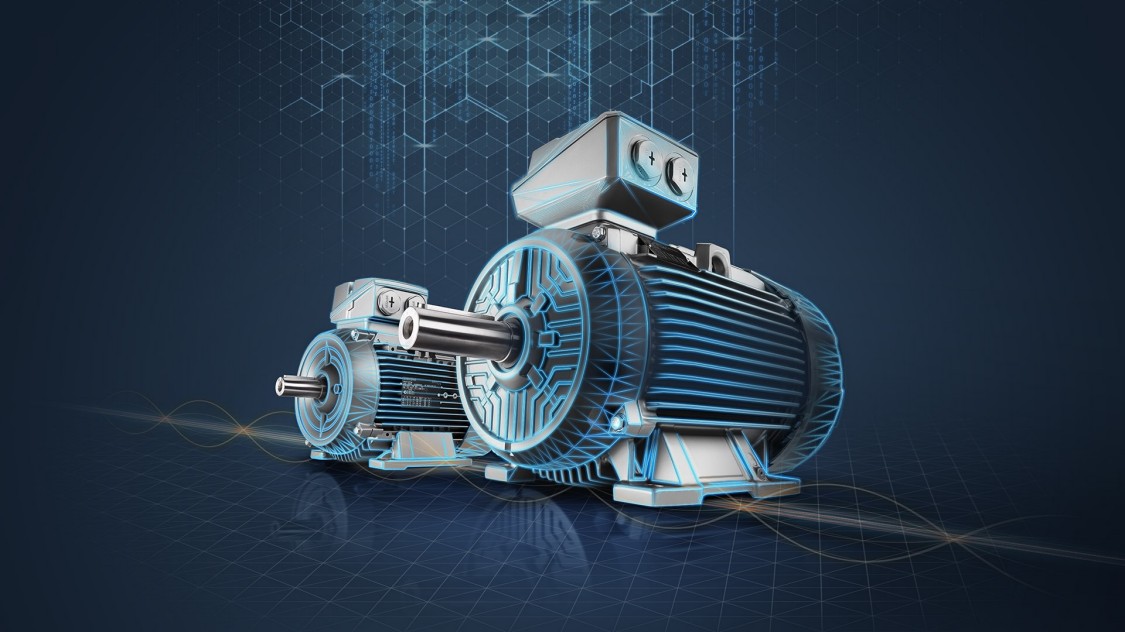
In order to protect the motors from harsh environments and increase their life span, motor enclosures are the most common component that is used to protect the motor with its special cooling system and make sure the motors are running in a suitable condition. There are five types of motor enclosures that exist in the market with different degrees of protection. How to choose a motor enclosure for your applications? Which is the right one for your machines? Let’s discover more about the most common types of motor enclosures.
Open Drip Proof Type
This type of enclosure is equipped with an open enclosure. It permits the cooling airflow through the motor. The vent opening can avoid any particles or liquids flowing through from above at angles up to 15 degrees from the vertical positions that is harmful to internal parts of the motor.
Total Enclosed Non-Ventilated Type
Some elements surrounding the motors may be harmful to the internal parts of the motors. A total enclosed non-ventilated motor enclosure can limit the elements or airflow into the motors. There is no vent opening, it is enclosed tightly
Total Enclosed Fan Cooled Type
This type of enclosure is quite similar to the total enclosed non-ventilated type, but there is an external fan mounted opposite the drive end of the motor. The fan provides additional cooling functions which allow the airflow over the exterior of the motor to reduce the heat quickly during the operation.
Total Enclosed Air Over Type
This enclosure blows the air across the motor to cool it quickly instead of using a cooling fan.
Explosion Proof Enclosures
This is a totally enclosed machine and designed to withstand the explosion of specified gas and elements inside the motor.
QC Industrial Automation covers a wide range of brands for these soft starters, include of Schneider, Siemens, Omron, ABB, Mitsubishi, and GE. Get in touch with our sales for further details and inquiries.